


At the heart of World of Warcraft lies a mythology that shapes every battle, alliance, and tragedy. The stories of ancient gods, elemental forces, and fallen heroes give meaning to the endless wars across Azeroth. Myth and legend are not background elements—they are the framework that defines the world’s greatest conflicts.
This article examines how myth serves as both history and prophecy in WoW’s storytelling, and why these timeless tales continue to drive the game’s emotional and thematic depth.
Myth as the Foundation of Warcraft’s Universe
Long before players set foot in Azeroth, its mythological roots were laid through stories of Titans, Old Gods, and primordial forces. These legends created the moral and cosmic scaffolding that all later conflicts would rest upon. From the war between Light and Void to the shaping of the world-soul itself, myth gives context to every expansion.
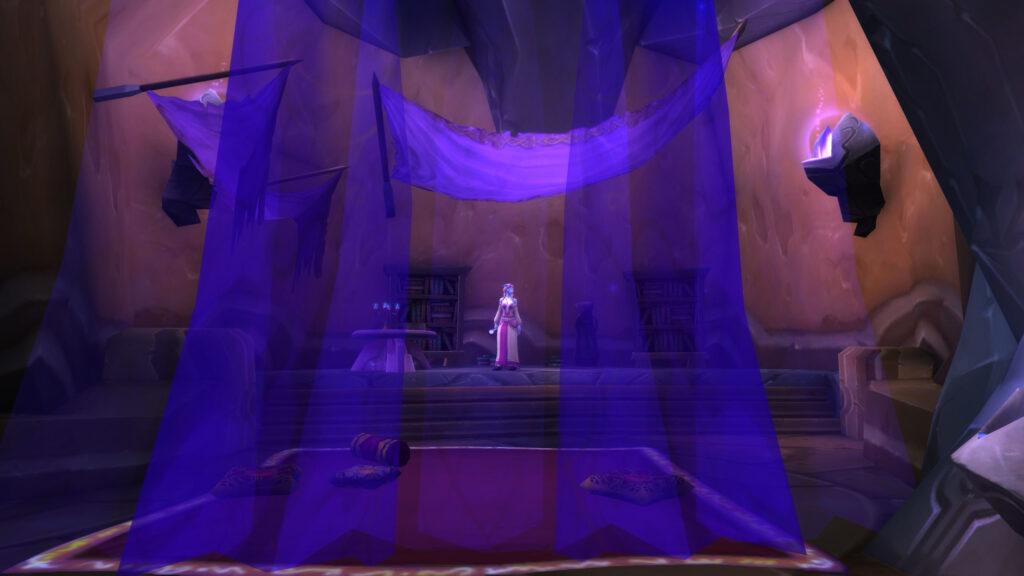
By weaving cosmic origins into personal narratives, Blizzard ensures that every quest—no matter how small—feels connected to something larger. The myth of Azeroth isn’t static; it grows with every new discovery.
Heroes and Villains Born from Legend
Many of WoW’s most iconic characters are embodiments of mythic archetypes. Arthas represents the tragic hero corrupted by power, while Illidan symbolizes rebellion against divine order. Sargeras, the fallen Titan, mirrors humanity’s struggle between conviction and madness.
These figures resonate because they reflect universal themes—sacrifice, pride, betrayal—that transcend the game itself. Through them, players engage with timeless questions about morality and fate, reimagined in a fantasy context.
The Evolution of Myth Through Expansions
Each expansion reinterprets Azeroth’s mythos from a new perspective. Wrath of the Lich King explored mortality and destiny. Legion confronted divine judgment and redemption. Shadowlands delved into the afterlife, revealing the structure behind souls and eternity. With The War Within, the myth returns home—back to the heart of Azeroth itself.
This cyclical approach mirrors real-world mythologies, where stories evolve yet remain bound by recurring symbols and cosmic patterns. Blizzard treats its narrative like a living mythos, reshaped by time and perspective.
Conflict as a Reflection of Belief
In Azeroth, war often stems not from evil but from faith. The Light, Void, and elemental powers each represent philosophies about existence. Every major conflict, from the Burning Crusade to the Legion’s crusade, has roots in competing interpretations of truth.

This interplay transforms warfare into ideology. Players don’t just fight monsters—they fight belief systems, each with its own logic and moral weight. Myth gives those battles meaning beyond mere survival.
The Influence of Ancient Races and Prophecies
Myth permeates not just character arcs but the very landscape of Azeroth. The Titans’ relics, the Old Gods’ prisons, and the elemental shrines all serve as living reminders of the past. Prophecies scattered through scrolls, murals, and whispers keep players questioning what’s true and what’s myth made manifest.
Even modern expansions lean on these motifs, using ancient civilizations like the Nerubians or Earthen as vessels for rediscovery. The cycle of ruin and rebirth continues, echoing the myths that first gave life to the world.
Parallels Between Player Experience and Mythic Narrative
Players themselves become myth-makers. Each raid, each achievement, and each legendary weapon forms part of their personal mythology. When a guild defeats a raid boss for the first time, it’s not just victory—it’s a reenactment of ancient heroism retold in modern form.
This parallel between gameplay and legend ensures that players are not mere witnesses—they’re participants in the ongoing myth of Azeroth.
| Mythic Theme | Representative Character | Expansion |
|---|---|---|
| Tragic Corruption | Arthas Menethil | Wrath of the Lich King |
| Rebellion and Redemption | Illidan Stormrage | Legion |
| Divine Fall and Chaos | Sargeras | Legion |
| Eternal Balance | The Titans | Shadowlands / The War Within |
The Everlasting Power of Myth
What keeps WoW’s stories timeless is their mythic structure. Myths endure because they speak to something primal in human nature—our need to find meaning in chaos. Whether through gods, heroes, or empires, Azeroth’s conflicts mirror our own search for purpose and understanding.
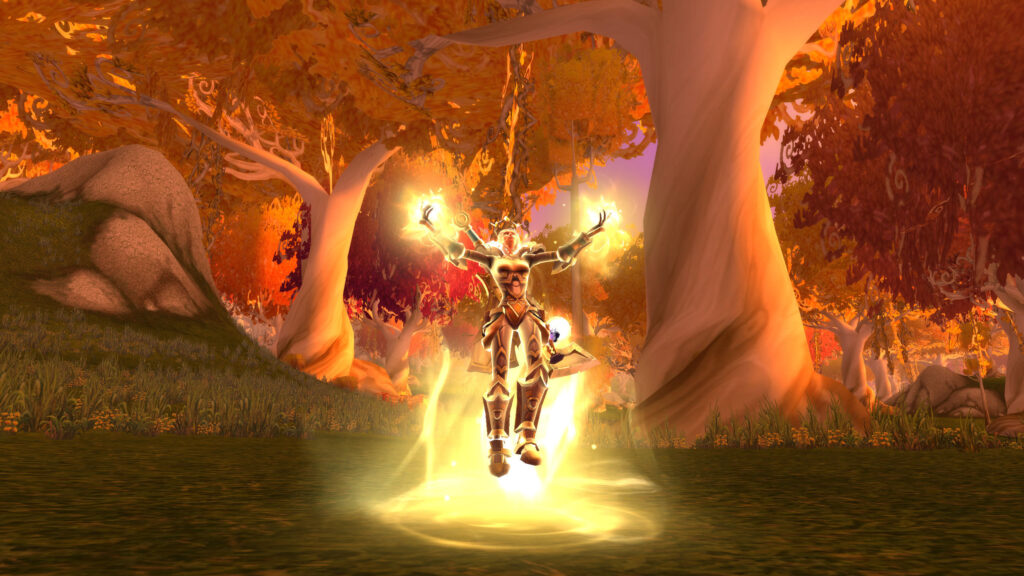
Through myth, the game becomes more than entertainment—it becomes a shared cultural tapestry where players, like storytellers of old, carry the legends forward.
Conclusion
Myth and legend are the soul of Azeroth. They give history weight, battles purpose, and characters depth. Every expansion builds upon this foundation, blending the ancient and the new into a story that feels both eternal and evolving. As long as players continue to explore, fight, and dream, the myths of Warcraft will never fade—they’ll simply find new voices to tell them.
In the end, WoW isn’t just a world of war—it’s a world of stories that remember.